









Verita International School


Athens

2025-2026 Academic Year Enrolments NOW OPEN ​

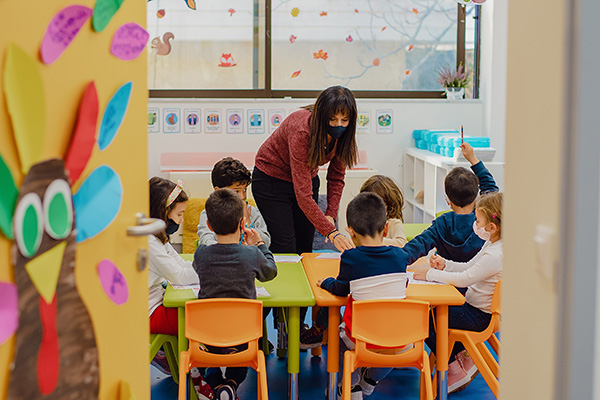
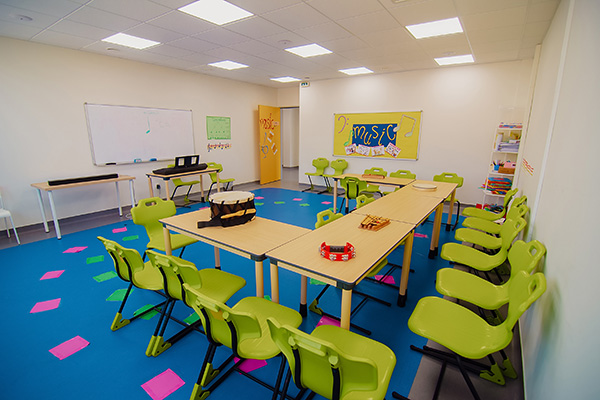
National Curriculum of England & Wales brought to life through inquiry-based learning and social-emotional curriculum.

Our students learn differently, think fearlessly, and understand the world in new and innovative ways.​

At Verita, we cultivate the skills that allow students to become the leaders of tomorrow. The Verita student is global, interdisciplinary, and boundaryless. They challenge what is possible and find solutions for what is impossible. They are empowered for an unknown future.

The Verita International School Difference

At Verita, while the National Curriculum of England serves as our academic foundation to enrich our learning, we integrate Fieldwork Education’s IEYC, IPC, and IMYC frameworks, creating a deeply interconnected, interdisciplinary, and globally minded learning experience. Social-emotional growth is woven into every aspect of our curriculum through our partnership with Emory University’s Social, Emotional, and Ethical (SEE) Learning program. 

At Verita, we believe that true mastery comes through exploration, active engagement, and emotional intelligence—all nurtured in a safe and supportive environment. When students feel valued and inspired, their ability to grow, question, and achieve knows no bounds.

How We're

Different

Emotional Intelligence

We leverage social-emotional learning methods & curricula to empower students to comprehend & manage emotions so they can ultimately channel them into self-awareness & management, decision-making, and resilience skills.

Inquiry-Based Learning

A teaching approach that builds on the idea that educators and students both share responsibility for learning. Students’ questions, ideas, and observations lay at the core of the learning experience. Inquiry methodologies require students to engage in evidence-based reasoning, learning by doing, and creative problem-solving.

Low Student - Teacher Ratio

Verita classes reflect our student-centric philosophy with an impressively low student-teacher ratio of 1:9. The small size of our classes, combined with our inspiring & highly qualified teaching faculty guarantee that students get independent attention and tailor-made differentiated support.

Well-being

Verita actively builds internal programs that promote student and staff well-being. We ensure a space where students feel physically and emotionally safe with a caring adult looking after the progress and acting as an advocate for each child. Most importantly, we ensure that kindness is the center of everything we do.

Service Learning Projects

Verita students must participate in meaningful community service which exposes them to active engagement within communities or environments in need. Using curriculum objectives and innovative approaches, our students work on real-world problems.

Student Agency

Verita promotes skills in students where they build their own, self-directed learning abilities and strategies, allowing them to develop a higher degree of autonomy and self-mastery. Student agency is “the ability of students to act independently within a given environment and assume an amount of control and empowerment”.

British English

Curriculum

IGCSE & A-Levels

New Secondary Campus

IEYC, IPC & IMYC

International Curriculum

Greek

Language Lessons Daily

Inquiry-Based

Learning

Social Emotional

Learning

Education Roadmap

Early Years

2 1/2 - 5 years old

Primary School

5 - 11 years old

Secondary School

11 - 18 years old

Meet Verita

Testimonials

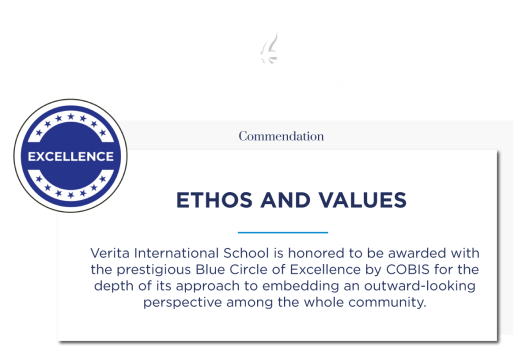
COBIS-Blue-Circle-Excelence
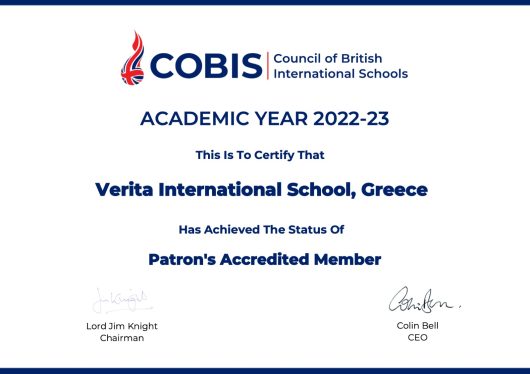
cobis_2
@veritaschool
Verita International School Greece

@veritaschool

Preschool - Year 11 and growing. 🌳 Kind Hearts, Creative Minds, Curious Souls. 💙 TikTok @veritaschoolgr
  • We asked a group of soon-to-be Middle School students two simple questions. What are you most nervous about? And what are you most excited for?

Their answers offer a real glimpse into the transition from Primary to Middle School, the mix of anticipation, uncertainty, confidence, and curiosity that comes with stepping into something new. Bigger spaces, new subjects, more independence, and the challenge of finding your footing along the way.

Sometimes, the most powerful way to support students through moments like this is not by rushing to reassure or solve, but by listening. By giving them space to share what they’re feeling and taking those feelings seriously. When students feel heard, they feel understood. And that sense of understanding builds the confidence they need to step forward, even when the next stage feels a little intimidating.
  • Year 3 explored different parts of the world through a series of learning stations, each offering a new way to connect with geography. Using maps, art, architecture, and hands-on tasks, students examined how places are shaped, how people respond to their environment, and how culture and creativity reflect geography in action.

These experiences are designed to spark interest first. When students are curious, learning sticks. By following the International Primary Curriculum (IPC), lessons are built to be cross-disciplinary, practical, and meaningful, allowing children to make connections across subjects rather than learning in isolation.

Geography becomes more than locations on a map. It becomes a story told through structure, design, colour, and context, encouraging students to ask questions, think critically, and stay genuinely engaged in the world around them
  • Leo had a word. A small one. A tricky one too. He met it all week and kept trying it through.

One letter at a time, a pause, then a try. With patience and practice, the sounds started to fly. The word finally clicked. Hip hip hooray. One last big smile… and it was time to play!

Our Early Years’ smallest learners regularly practise early reading by gently sounding out each letter in short three-letter words, then blending the sounds together to read the full word, building confidence through repetition, patience, and encouragement along the way.
  • Some big changes are difficult to plan for. This one isn’t one of them.

Middle Years Transition at Verita is designed to take the uncertainty out of what comes next. Last week’s parent workshop focused on preparing students and families for the shift from Primary to Secondary in a way that feels steady, supportive, and intentional, not rushed or reactive.

With many of our Verita parents present, alongside dedicated staff and school leadership, the conversation was guided by our founder, Michael Wolper, our Primary Principal, Anna, and one of the educational leaders behind Verita 2.0, Chris Gruelich. With over 30 years of experience in education and more than 15 years in leadership, including building and leading international boarding schools in Central Europe, Chris helped frame the transition through a long-term, student-centred lens.

Together with our wider teaching team, the discussion centred on what these years really look like. Students in Years 7 to 9 are in an in-between stage, no longer children, not yet teenagers, navigating excitement, nerves, confidence, and uncertainty all at once. It is a time that requires patience, structure, and understanding from everyone involved.

That’s why this transition is approached as a process, not an event. Over time, students become familiar with the Secondary environment, expectations, and routines, building confidence before independence is fully expected. They are supported academically, emotionally, and socially, so the move forward feels manageable rather than overwhelming.

And just as importantly, this process supports parents too. It offers clarity, reassurance, and a shared understanding of what lies ahead, making it a resource for the whole community.

Change is inevitable. Feeling prepared for it is a choice.
  • Maths, but make it interactive! Through years of experience, Mrs Maggie has seen how hands-on visuals help turn abstract numbers into something concrete, building stronger understanding and confidence. Add a touch of healthy competition, and students stay engaged, motivated, and ready to think quickly and work together.

The extra fun part is that once the connection clicks, the symbols can change. Forks, books, LEGO… anything can become a number when creativity leads the way!
  • Meet part of our Early Years team, one viral sound at a time!
  • The middle school transition is a bigger deal than it often looks.

This carousel breaks down what research tells us about Years 7–9, and how Verita designs the Middle Years to support confidence, belonging, and growing independence during this stage. If you want the full picture, the complete blog is live on the Verita website, link in bio! Written by our Founder and Director of Happiness, Michael Wolper, it dives deeper into the data, thinking, and design behind our Middle Years approach.
We asked a group of soon-to-be Middle School students two simple questions. What are you most nervous about? And what are you most excited for? Their answers offer a real glimpse into the transition from Primary to Middle School, the mix of anticipation, uncertainty, confidence, and curiosity that comes with stepping into something new. Bigger spaces, new subjects, more independence, and the challenge of finding your footing along the way. Sometimes, the most powerful way to support students through moments like this is not by rushing to reassure or solve, but by listening. By giving them space to share what they’re feeling and taking those feelings seriously. When students feel heard, they feel understood. And that sense of understanding builds the confidence they need to step forward, even when the next stage feels a little intimidating.
3 days ago
View on Instagram |
1/7
Year 3 explored different parts of the world through a series of learning stations, each offering a new way to connect with geography. Using maps, art, architecture, and hands-on tasks, students examined how places are shaped, how people respond to their environment, and how culture and creativity reflect geography in action. These experiences are designed to spark interest first. When students are curious, learning sticks. By following the International Primary Curriculum (IPC), lessons are built to be cross-disciplinary, practical, and meaningful, allowing children to make connections across subjects rather than learning in isolation. Geography becomes more than locations on a map. It becomes a story told through structure, design, colour, and context, encouraging students to ask questions, think critically, and stay genuinely engaged in the world around them
5 days ago
View on Instagram |
2/7
Leo had a word. A small one. A tricky one too. He met it all week and kept trying it through. One letter at a time, a pause, then a try. With patience and practice, the sounds started to fly. The word finally clicked. Hip hip hooray. One last big smile… and it was time to play! Our Early Years’ smallest learners regularly practise early reading by gently sounding out each letter in short three-letter words, then blending the sounds together to read the full word, building confidence through repetition, patience, and encouragement along the way.
1 week ago
View on Instagram |
3/7
Some big changes are difficult to plan for. This one isn’t one of them. Middle Years Transition at Verita is designed to take the uncertainty out of what comes next. Last week’s parent workshop focused on preparing students and families for the shift from Primary to Secondary in a way that feels steady, supportive, and intentional, not rushed or reactive. With many of our Verita parents present, alongside dedicated staff and school leadership, the conversation was guided by our founder, Michael Wolper, our Primary Principal, Anna, and one of the educational leaders behind Verita 2.0, Chris Gruelich. With over 30 years of experience in education and more than 15 years in leadership, including building and leading international boarding schools in Central Europe, Chris helped frame the transition through a long-term, student-centred lens. Together with our wider teaching team, the discussion centred on what these years really look like. Students in Years 7 to 9 are in an in-between stage, no longer children, not yet teenagers, navigating excitement, nerves, confidence, and uncertainty all at once. It is a time that requires patience, structure, and understanding from everyone involved. That’s why this transition is approached as a process, not an event. Over time, students become familiar with the Secondary environment, expectations, and routines, building confidence before independence is fully expected. They are supported academically, emotionally, and socially, so the move forward feels manageable rather than overwhelming. And just as importantly, this process supports parents too. It offers clarity, reassurance, and a shared understanding of what lies ahead, making it a resource for the whole community. Change is inevitable. Feeling prepared for it is a choice.
1 week ago
View on Instagram |
4/7
Maths, but make it interactive! Through years of experience, Mrs Maggie has seen how hands-on visuals help turn abstract numbers into something concrete, building stronger understanding and confidence. Add a touch of healthy competition, and students stay engaged, motivated, and ready to think quickly and work together. The extra fun part is that once the connection clicks, the symbols can change. Forks, books, LEGO… anything can become a number when creativity leads the way!
2 weeks ago
View on Instagram |
5/7
Meet part of our Early Years team, one viral sound at a time!
2 weeks ago
View on Instagram |
6/7
The middle school transition is a bigger deal than it often looks.

This carousel breaks down what research tells us about Years 7–9, and how Verita designs the Middle Years to support confidence, belonging, and growing independence during this stage. If you want the full picture, the complete blog is live on the Verita website, link in bio! Written by our Founder and Director of Happiness, Michael Wolper, it dives deeper into the data, thinking, and design behind our Middle Years approach.
The middle school transition is a bigger deal than it often looks.

This carousel breaks down what research tells us about Years 7–9, and how Verita designs the Middle Years to support confidence, belonging, and growing independence during this stage. If you want the full picture, the complete blog is live on the Verita website, link in bio! Written by our Founder and Director of Happiness, Michael Wolper, it dives deeper into the data, thinking, and design behind our Middle Years approach.
The middle school transition is a bigger deal than it often looks.

This carousel breaks down what research tells us about Years 7–9, and how Verita designs the Middle Years to support confidence, belonging, and growing independence during this stage. If you want the full picture, the complete blog is live on the Verita website, link in bio! Written by our Founder and Director of Happiness, Michael Wolper, it dives deeper into the data, thinking, and design behind our Middle Years approach.
The middle school transition is a bigger deal than it often looks.

This carousel breaks down what research tells us about Years 7–9, and how Verita designs the Middle Years to support confidence, belonging, and growing independence during this stage. If you want the full picture, the complete blog is live on the Verita website, link in bio! Written by our Founder and Director of Happiness, Michael Wolper, it dives deeper into the data, thinking, and design behind our Middle Years approach.
The middle school transition is a bigger deal than it often looks.

This carousel breaks down what research tells us about Years 7–9, and how Verita designs the Middle Years to support confidence, belonging, and growing independence during this stage. If you want the full picture, the complete blog is live on the Verita website, link in bio! Written by our Founder and Director of Happiness, Michael Wolper, it dives deeper into the data, thinking, and design behind our Middle Years approach.
The middle school transition is a bigger deal than it often looks.

This carousel breaks down what research tells us about Years 7–9, and how Verita designs the Middle Years to support confidence, belonging, and growing independence during this stage. If you want the full picture, the complete blog is live on the Verita website, link in bio! Written by our Founder and Director of Happiness, Michael Wolper, it dives deeper into the data, thinking, and design behind our Middle Years approach.
The middle school transition is a bigger deal than it often looks.

This carousel breaks down what research tells us about Years 7–9, and how Verita designs the Middle Years to support confidence, belonging, and growing independence during this stage. If you want the full picture, the complete blog is live on the Verita website, link in bio! Written by our Founder and Director of Happiness, Michael Wolper, it dives deeper into the data, thinking, and design behind our Middle Years approach.
The middle school transition is a bigger deal than it often looks. This carousel breaks down what research tells us about Years 7–9, and how Verita designs the Middle Years to support confidence, belonging, and growing independence during this stage. If you want the full picture, the complete blog is live on the Verita website, link in bio! Written by our Founder and Director of Happiness, Michael Wolper, it dives deeper into the data, thinking, and design behind our Middle Years approach.
3 weeks ago
View on Instagram |
7/7

Are you ready to start your child on

A Journey Without Limits?

Verita students graduate as well-rounded, globally aware individuals equipped with the leadership, critical thinking, and practical skills to excel in any field they choose. Our students leave Verita not just with academic excellence but with the resilience, adaptability, and ethical compass necessary to navigate an increasingly complex world.

We believe that education should empower students to think beyond borders, embrace innovation, and take action in shaping a better future. 

Our alumni have an opportunity to go on to study at top universities worldwide, pursue careers in diverse industries, and take on leadership roles that make a difference. The Verita experience goes beyond traditional academics—it is a transformative journey that fosters creativity, integrity, and a lifelong passion for learning.